Energy Intake
Information about calories consumed through food and drinks.
Educational content about the relationship between activity, nutrition, and rest.
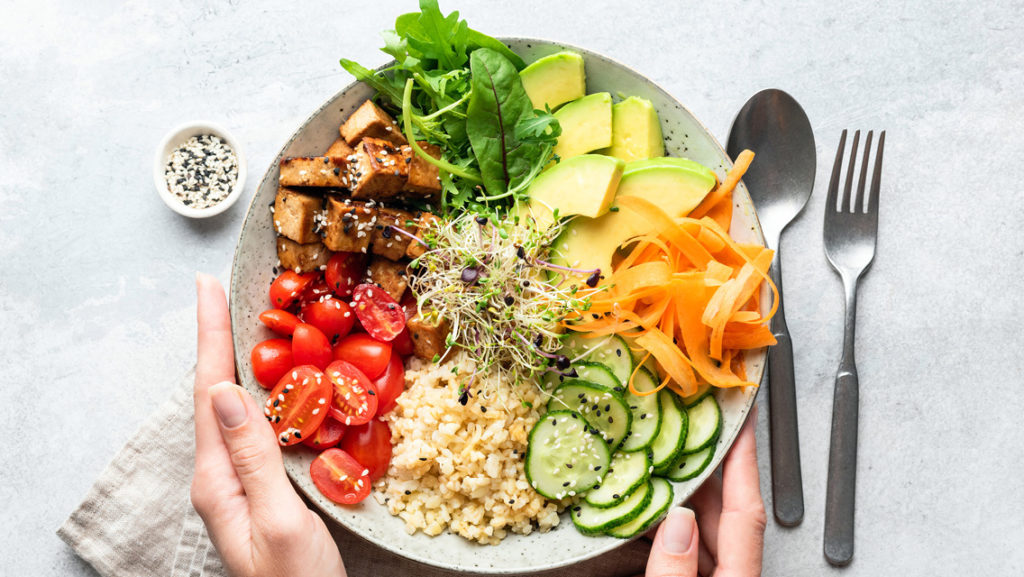
Information about the relationship between energy consumed through food and energy expended through physical activity.
Information about calories consumed through food and drinks.
Information about energy used for metabolism, digestion, daily activities, and exercise.
Information about how energy needs differ based on age, body composition, activity level, and genetics.
Information about how different types of physical activity contribute to energy expenditure.
Educational content about the quality and timing of food intake.
Information about carbohydrates, proteins, and fats in energy provision.
Information about distributing food intake throughout the day.
Information about foods rich in vitamins, minerals, and beneficial compounds.
Educational content about adequate rest and recovery practices.
Information about sufficient, quality sleep for tissue repair and memory consolidation.
Information about how stress affects energy levels through various mechanisms.
Information about rest days, gentle movement, and relaxation techniques.
Information about finding personal balance in lifestyle patterns.